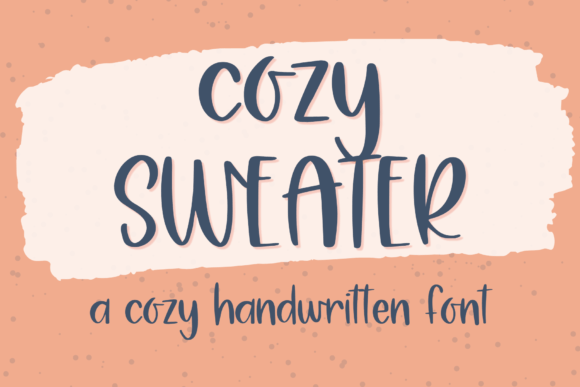
Cozy Sweater: A Friendly Font for Digital Projects
While working on a boutique online store's homepage, I came across Cozy Sweater, a fun, bouncy handwritten sans-serif font. Its playful character immediately caught my eye, especially when testing it in the hero section of the site. The font's light, flowing strokes added a warm and approachable vibe that felt right for the brand's aesthetic.
Cozy Sweater has a distinct personality—its soft curves and irregular shapes give it a handcrafted feel. It's not overly formal, which makes it ideal for creative projects where a more personal touch is needed. The font's visual appeal lies in its balance between readability and charm, making it suitable for both digital and print applications.
As I explored how to use Cozy Sweater in different parts of the website, I noticed it worked best as a display font. In headers and call-to-action buttons, it stood out without overwhelming the design. For instance, using it in the main headline of a product landing page made the message feel more inviting and engaging.
When placing Cozy Sweather over an image banner, I found that it maintained clarity even against busy backgrounds. The font's contrast with the background was key to ensuring legibility, especially on mobile screens where space is limited. Adjusting the font size and spacing helped maintain a clean layout while keeping the text easy to read.
In a coaching website project, I used Cozy Sweater for section headings and subheadings. Its casual style complemented the site's friendly tone, and pairing it with a simple sans-serif font for body copy created a balanced visual hierarchy. This combination allowed the content to be both accessible and aesthetically pleasing.
For a digital brand kit, Cozy Sweater proved useful in logo design and social media graphics. Its handwritten look gave the brand a unique identity, and the font's versatility made it easy to adapt for different platforms. Whether used in a newsletter header or a promotional banner, it brought a sense of creativity and authenticity to the design.
Readability was a concern when considering smaller text sizes, such as those used in navigation menus or button labels. In these cases, I opted for a lighter weight of the font and adjusted the line height to ensure the text remained clear. On dark backgrounds, the font still performed well, but I avoided using it for long paragraphs to prevent eye strain.
When working on a blog redesign, I tested Cozy Sweater in the header and featured post titles. The font added a fresh, modern feel that aligned with the site's overall theme. However, I reserved it for short phrases and headlines rather than body text, where a more traditional serif or sans-serif font would have been more practical.
Cozy Sweater also shined in a course sales page, where it was used for the main headline and key selling points. Its friendly appearance helped convey the course's approachable nature, making it more appealing to potential students. Pairing it with a clean, neutral font for the rest of the content ensured the design remained professional and easy to navigate.
One of the strengths of Cozy Sweater is its ability to add personality without being distracting. It works well as a decorative accent in web layouts, especially when used sparingly. For example, in a promotional landing page, I used it for a tagline beneath a main CTA button, giving the page a more dynamic and energetic feel.
Before finalizing the font for the project, I checked its available styles, webfont formats, and multilingual support. Cozy Sweater comes in multiple weights, which allowed for greater flexibility in design. The font's commercial licensing also made it easy to use across different platforms and client projects.
Overall, Cozy Sweater is a great choice for web designers looking to add a touch of warmth and creativity to their layouts. Its playful yet readable nature makes it suitable for a wide range of digital projects, from online stores to portfolio sites. When used thoughtfully, it can enhance a brand's visual identity and improve user engagement.
Whether you're designing a boutique storefront, a coaching website, or a digital marketing campaign, Cozy Sweater offers a fresh and inviting alternative to more rigid typefaces. Its blend of style and usability makes it a valuable addition to any designer's toolkit, especially when paired with other fonts that provide contrast and clarity.
As I continued refining the design, I found that Cozy Sweater helped create a more cohesive and expressive brand experience. It reminded me that typography isn't just about aesthetics—it's about how users interact with and perceive a website. With the right application, a font like Cozy Sweater can make a meaningful difference in the success of a digital project.