Candu: A Handwritten Font for Editorial Design
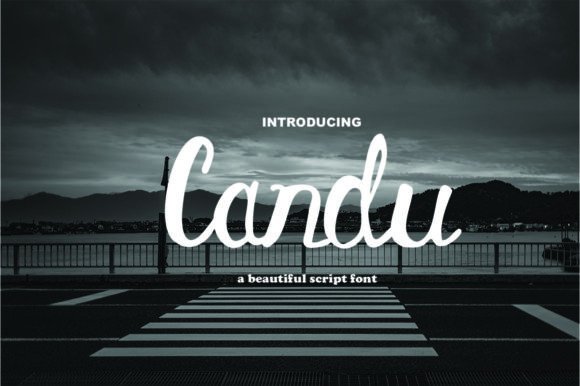
Candu is a natural and authentic-looking handwritten font that brings a personal touch to editorial design. As a script font, it adds warmth and character to layouts, making it ideal for blogs, magazines, and digital publications. Its unique style supports readability while maintaining an expressive tone, making it a valuable addition to any designer’s toolkit.
Designed with the needs of publishers and content creators in mind, Candu offers a balance between artistic flair and functional typography. Its fluid strokes and subtle variations mimic real handwriting, giving designs a more human and approachable feel. This makes it particularly effective for headings, titles, and visual elements that require a personal connection with the reader.
Using Candu in Editorial Layouts
In editorial design, visual hierarchy is key. Candu excels as a display font, drawing attention to headlines, section breaks, and featured content. When used for blog headers or magazine covers, it creates a sense of personality and authenticity that can differentiate a publication from others. Its organic flow also works well for quote graphics, where the tone of the text is as important as the message itself.
For ebook titles and newsletter graphics, Candu provides a stylish yet readable option. It pairs well with serif or sans serif fonts for body copy, offering contrast without overwhelming the reader. In printable guides, worksheets, or lead magnets, it helps reinforce a brand’s visual identity while keeping the content engaging.
Candu in Different Publishing Contexts
Consider a lifestyle blog looking to add a more personal touch to its content. Using Candu for article headings or section dividers can create a cohesive visual language that resonates with readers. Similarly, a recipe ebook might use it for chapter openers or title pages, adding a warm and inviting aesthetic that complements the content.
A wedding guide could benefit from Candu in cover designs or pull quotes, reinforcing the romantic and heartfelt nature of the content. For a coaching workbook or printable planner, it adds a touch of creativity and individuality, making the material feel more tailored to the user. In a digital magazine, it can be used for feature stories or highlighted sections, enhancing the overall reading experience.
Readability and Practical Considerations
While Candu is visually appealing, its readability should not be overlooked. On screens, especially smaller devices, it works best for short text blocks such as headings or captions. When used in PDFs or print, it maintains its clarity, making it suitable for business cards, stationery, and branding materials.
For longer reading passages, it’s recommended to pair Candu with a more structured font. This ensures that the layout remains legible and professional. Designers should also consider the weight and style variations included in the font set, using lighter weights for subtle accents and bolder versions for emphasis.
Font Pairing and Brand Identity
Pairing Candu with other fonts enhances its versatility. A clean sans serif like Lato or Open Sans can provide a strong contrast for body text, ensuring that the overall design remains balanced and easy to read. For a more traditional look, pairing it with a serif font such as Georgia or Playfair Display can create a refined and elegant aesthetic.
When building a brand identity, consistency is essential. Using Candu across multiple touchpoints—such as social media graphics, web design, or packaging—helps establish a recognizable visual signature. Its handwritten style can evoke a sense of trust and familiarity, making it ideal for independent brands or creative businesses.
Commercial Use and Licensing
For designers and content creators, understanding the licensing terms of a font is crucial. Candu is available under a commercial license, allowing it to be used in ebooks, templates, printables, paid newsletters, client projects, and digital downloads. This makes it a practical choice for those looking to incorporate premium fonts into their work without legal concerns.
Before using Candu in a project, check the specific terms of the license to ensure compliance. This includes verifying whether it can be embedded in files, used across multiple platforms, or modified for custom applications. Proper licensing ensures that the font can be used confidently in all publishing contexts.
Candu is more than just a font—it’s a tool for storytelling and visual expression. Whether you’re designing a blog, crafting a magazine, or creating a digital product, it offers a way to infuse your work with personality and authenticity. By thoughtfully integrating it into your layouts, you can enhance reader engagement and strengthen your brand’s visual presence.